How Much Does a Website Cost in Serbia in 2026? Complete Price Guide
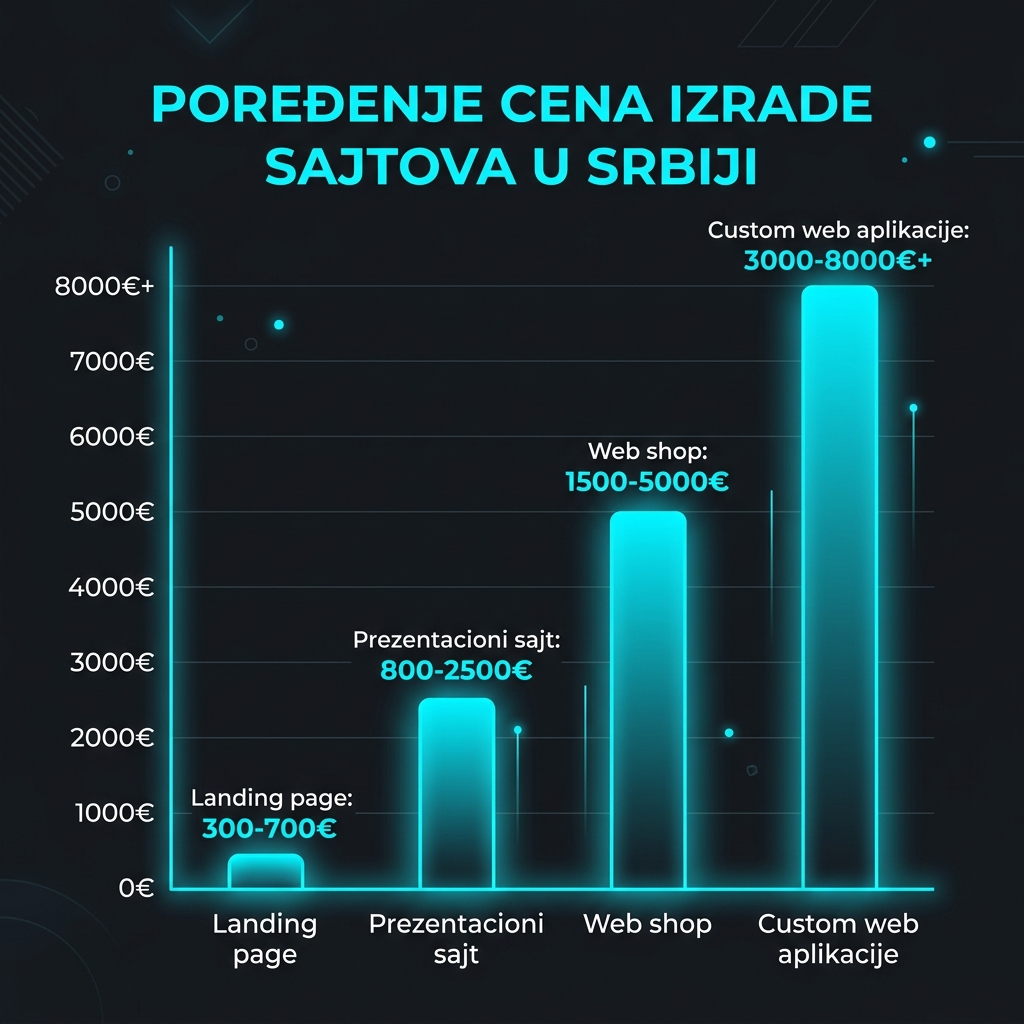
When launching a new business, rebranding, or scaling your company, the first question is always: How much does a website cost? In 2026, the answer is more nuanced than ever. Professional web development pricing ranges from €300 for a landing page to €8,000+ for custom web applications. In this ultimate guide, we break down every euro you invest, cover hidden charges, and help you choose the right technology for your business.
Price Overview by Website Type (2026)
To give you immediate clarity, we have created an overview table showing realistic market rates based on hundreds of completed projects in the region.
| Website Type | Price Range | Timeline | Ideal For |
|---|---|---|---|
| Landing page (Single page) | €300 – €700 | 3 days | Marketing campaigns, single product/service promotions. |
| Business website (5-10 pages) | €1,000 – €3,000 | 2 weeks | Companies, professionals, and standard corporate presentations. |
| E-commerce (Web shop) | €1,500 – €5,000+ | 3 – 6 weeks | Retailers looking to sell physical or digital products online. |
| Booking System | €2,000 – €5,000 | 3 – 5 weeks | Salons, clinics, dental practices, and rental agencies. |
| Education Platform (LMS) | €3,000 – €8,000 | 4 – 8 weeks | Creators, teachers, and coaches selling video lectures. |
| Custom Web App / SaaS | €3,000 – €8,000+ | 4 – 8 weeks | Specific software systems, database-driven workflows, and SaaS. |
What Determines the Price of a Website?
Just like buying a car, the price depends on the options you choose. Let's explore the 15 key factors that dictate final website cost.
1. Number of pages and structural complexity
A single-page landing page is quick to design and code. However, a corporate website with 10-20 distinct pages (Home, About, Services, individual service landings, Blog, Contact) requires significantly more hours. Each page needs wireframing, custom user interfaces, semantic HTML coding, and cross-device testing, raising the overall cost.
2. Custom design vs. Pre-made templates
Cheap offers under €400 usually mean buying a cheap WordPress theme and changing the logo. Your site will look generic and load slowly. Custom UI/UX design (in Figma) analyzes your audience, building tailored layout flows designed to turn visitors into buyers. This requires professional design hours and custom coding from scratch, resulting in a higher premium tier.
3. CMS (WordPress) vs. Custom Code (Next.js)
WordPress is highly popular and affordable but often suffers from bloated plugin databases, security vulnerabilities, and slow speeds. Next.js/React site architecture uses clean, compiled code, giving you sub-second speeds, top-tier security, and optimal conversion rates. Building this requires specialized engineering, which raises the initial fee but drops maintenance to near zero.
4. Blog and content management systems
Adding a blog requires a headless content management system (like Sanity or Strapi) so you can publish articles without touching the code. Developers must configure database schemas, article layouts, and dynamic routing while ensuring responsive readability on mobile screens. This adds €300 to €800 in development time.
5. SEO & Schema markup implementation
True SEO begins with semantic code hierarchy, fast loading times, and schema markups. Schema structured data helps Google and modern AI engines (ChatGPT, Perplexity) read, understand, and recommend your service. Complete on-page and technical SEO mapping adds €500 to €2,000 depending on the competitive index.
6. Micro-animations and interactive UI
Standard static sites are straightforward. Sleek websites that build trust use custom transitions, scroll-triggered animations (Framer Motion, GSAP), and interactive price calculators. Tuning these animations to run smoothly on budget smartphones without dragging down performance takes experienced programming hours.
7. Multi-language support
Targeting foreign clients requires language subrouting (e.g. `/en/blog` and `/blog`), automatic browser locale detection, translated schema metadata, and `hreflang` tags. Setting up next-intl or localizing layouts adds 30% to 50% to design and coding costs.
8. Online Booking and scheduling integration
Integrating a calendar system where clients choose times in real-time, get confirmation emails, and sync to your Google Calendar cuts phone admin by hours. Developing these systems with booking rules and SMS/WhatsApp notifications costs €1,000 to €2,500.
9. Payment gateways and checkouts
Integrating Stripe, PayPal, or local banking nestpay APIs requires secure backend development, PCI compliance, SSL security, automatic invoice generation, and database updates. Safe transaction handling adds €800 to €2,000.
10. User accounts & Admin dashboards
If users need registration, profiles, course access, or a custom dashboard, you need secure authentication (email, Google, Apple logins) and an administrative panel to manage users and view sales. This adds database design and backend routes, costing €3,000 to €8,000+.
11. Third-party integrations and APIs
To automate your company, your website must talk to your CRM (HubSpot), email marketing tools (Mailchimp), ERP warehouse software, or shipping agencies. Writing API connectors adds €300 to €1,500 per link.
12. Database and content migration
Moving articles, products, and customer databases from an old site requires automated import scripts. Map out 301 redirects to ensure Google doesn't hit 404s and penalize your rank. Migration costs €200 to €1,000.
13. Hosting and Cloud Server deployment
Cheap shared servers (€40/year) cause slow load speeds. Next.js applications use serverless cloud setups (Vercel, AWS, DigitalOcean) for sub-second speeds and scalability during spikes. DevOps tuning affects initial setup pricing.
14. Maintenance, backups, and security
WordPress sites require weekly plugin updates to prevent hacking, costing €50-150/month in agency fees. Next.js custom code doesn't break or suffer from template decay, making long-term costs extremely low.
15. Speed optimization (Core Web Vitals)
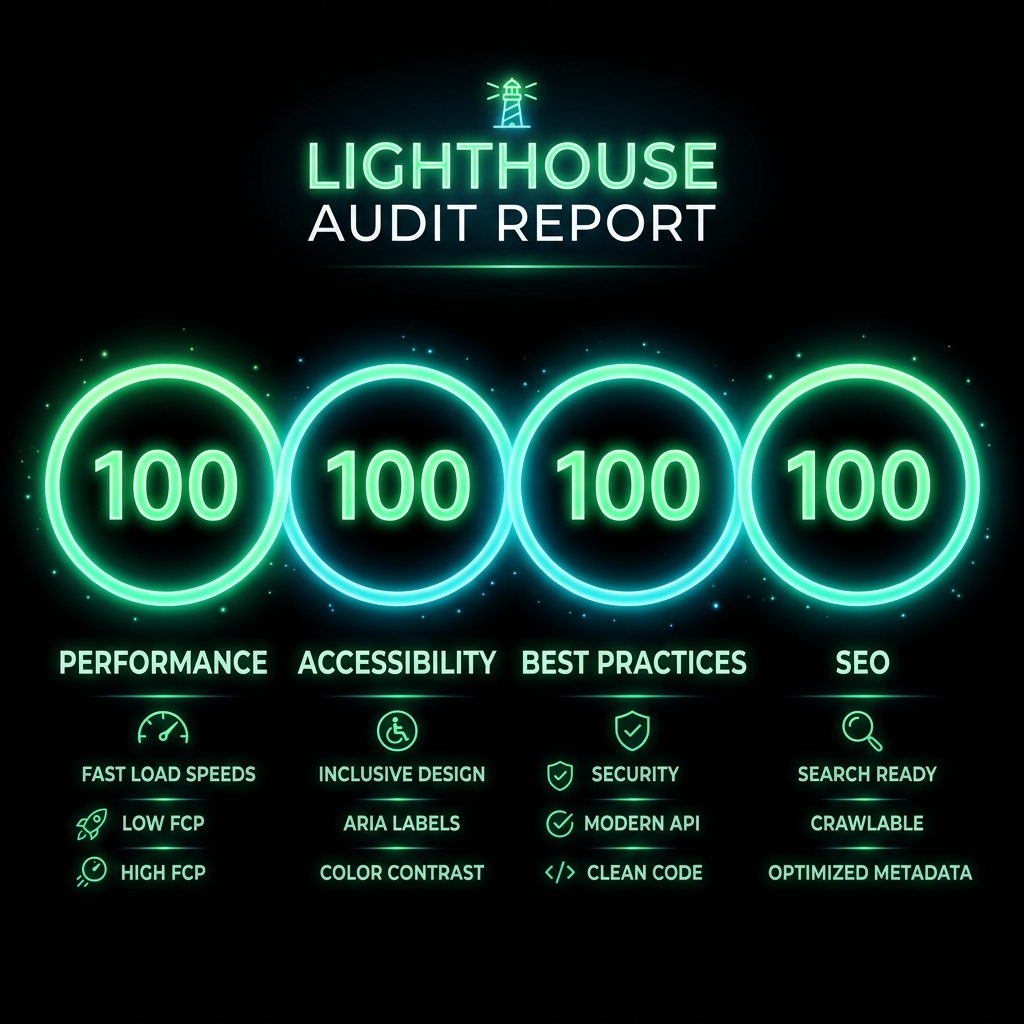
Google page speed score is a core ranking factor. Converting images to AVIF/WebP, minifying scripts, lazy loading layout blocks, and tuning Core Web Vitals to load under 1 second takes expert development time.
Concrete Examples and Pricing Calculators
Let's look at four real scenarios from local businesses to see how specification requirements map to project budgets.
Example 1: Hair Salon Website (€900 – €1,300)
A local salon wants a 5-page site: Home, Services, Stylists, Gallery, and Contact with a map. Requires high-conversion mobile design, local SEO optimization (ranking for salon + city), and an analytics setup. No booking engine; booking links directly to Instagram or WhatsApp.
Example 2: Law Firm Corporate Site (€1,200 – €1,800)
A law firm needs a trust-building website with custom bios, practice areas, a blog, and contact forms. Requires clean Next.js coding, headless CMS blog integrations, schema markups, and expert SEO optimizations for high-intent keywords.
Example 3: Online LMS Video Platform (€4,500+)
A coach wants to sell video courses online. Features include: home sales funnel, student dashboard login, secure video streaming integration, Stripe payment processing, and admin sales analytics. Requires 6-8 weeks of engineering.
Example 4: Restaurant Website with Table Booking (€1,300)
A premium restaurant needs a web menu optimized for mobile screens, a photo gallery, and an integrated reservation engine that alerts the staff and sends potvrdni emails. Setup and configuration cost €1,300.
Hidden Costs of Website Development (And How to Avoid Them)
Agencies often hide licensing, hosting, email, and plugin costs in their initial quotes. These annual fees (Domain, VPS host, Google workspace emails, elementor pro licensing, SSL fees, cloud CDN) can catch you by surprise.
When working with ZecevicDev, all hidden fees are eliminated. I handle domain transfers, set up high-performance free SSLs, configure fast cloud host environments, and schedule auto-backups with absolute transparency and zero markups.
WordPress vs. Custom Code (Next.js): Detailed Comparison
WordPress / Templates
- ❌ Speed: 2-6s load times due to massive plugin load and heavy builder databases.
- ❌ Security: High risk of hacker injections since WordPress is the target of 90% of web attacks.
- ❌ Monthly fees: High maintenance costs for debugging broken database updates and plugin errors.
Custom Next.js Code
- ✅ Speed: Instant (<1s) compile render, dramatically improving conversion rates.
- ✅ Security: Absolute security – serverless architecture with no exposed databases.
- ✅ Maintenance: Zero dependency codebases that run for years without breaking.
The Web Development Process
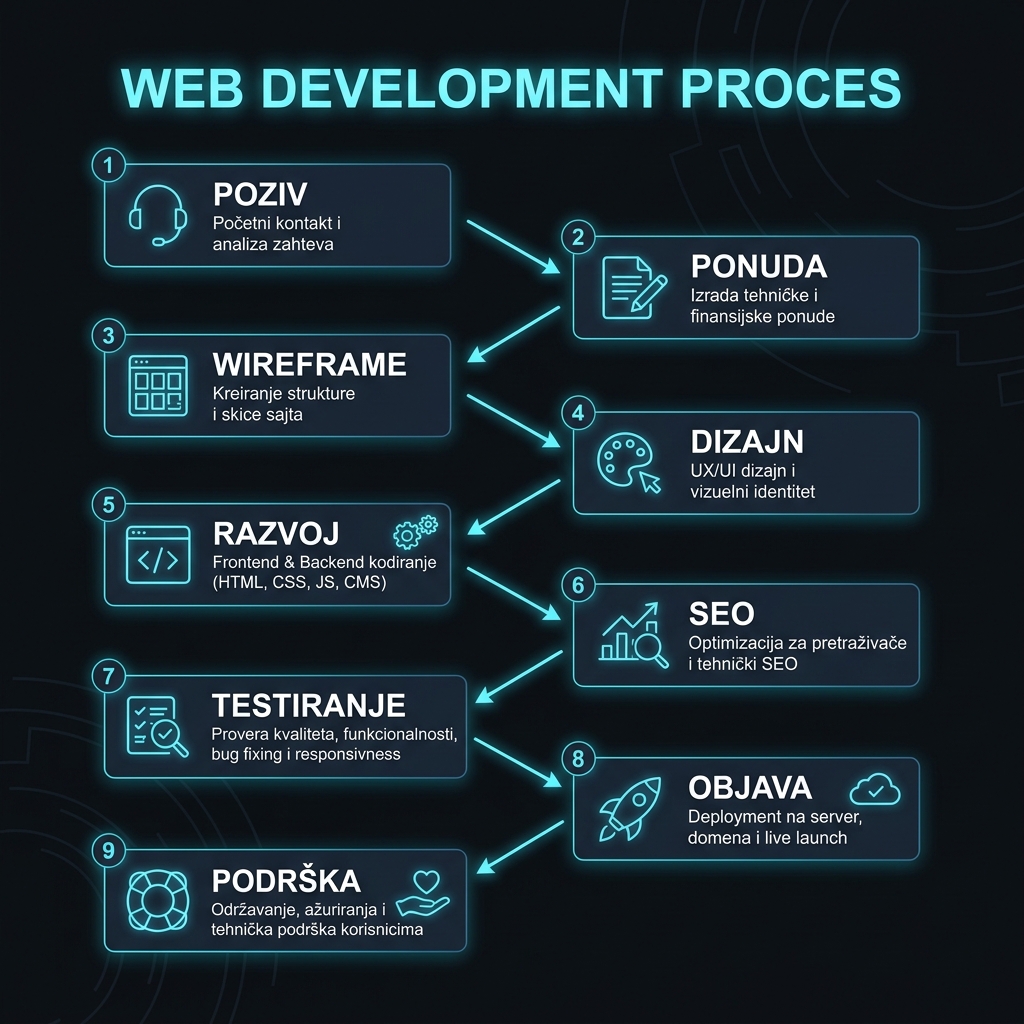
- 11. Discovery Call: Defining your target goals and design options.
- 22. Proposal: Clear milestones and transparent contract signing.
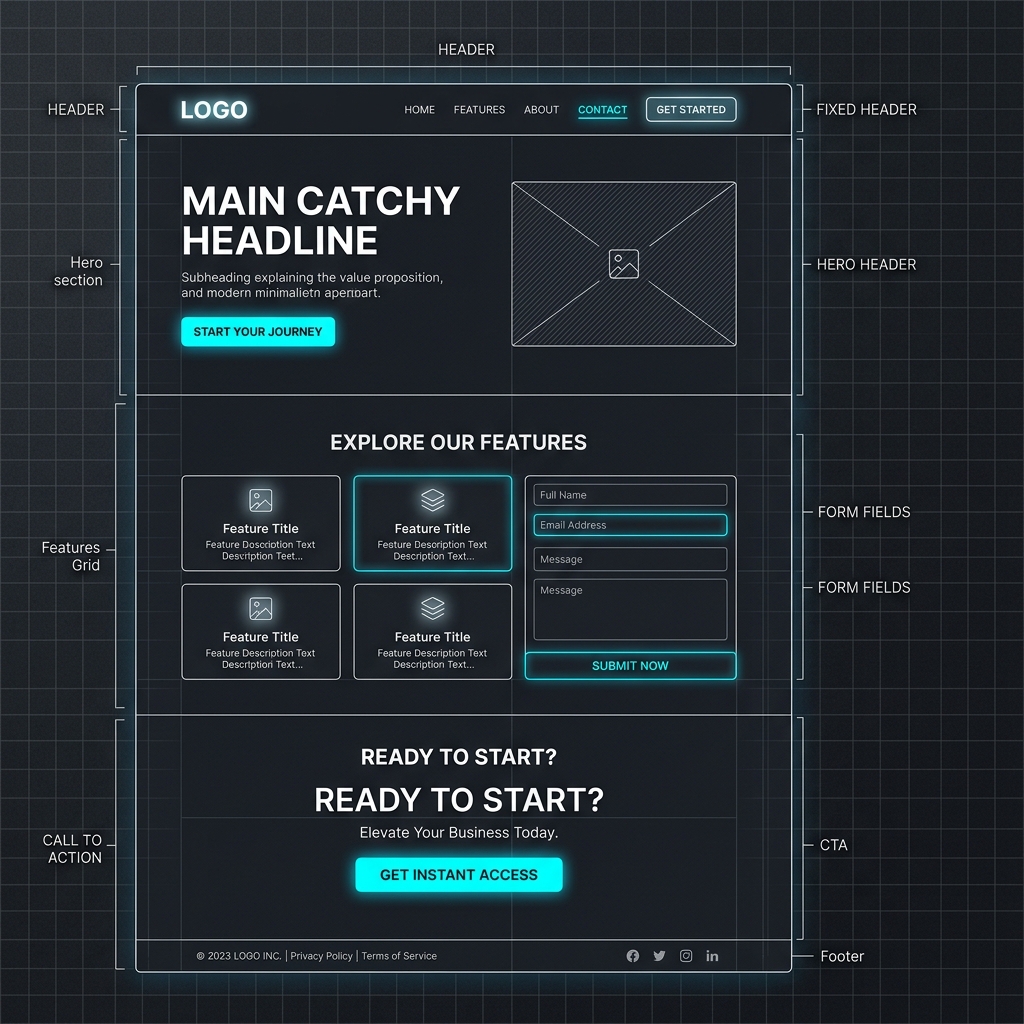
- 33. Wireframing: Structural blueprints focusing layouts on user actions.
- 44. Custom Design: Figma prototyping tailored to your corporate brand.
- 55. Programming: Custom coding in Next.js, React, and Node.js.
- 66. On-Page SEO: Implementing schema markup and speed optimizations.
- 77. Testing: Device responsiveness check on 20+ mobile sizes.
- 88. Launch: Setting up CDN host servers and indexing in Google Search Console.
- 99. Handover & Support: Training and code warranties.
How to Choose the Right Developer or Agency
Ask candidates these five questions before sending a deposit: Do they write custom code or use themes? Can they prove their PageSpeed scores? Is SEO and schema included? What is their support model? Do they understand your sales process?
Frequently Asked Questions (FAQ)
How much does a website cost in Serbia on average?
A standard professional presentational site averages €800 to €1,800. Simple landing templates cost €300-€500, while complex database-driven web apps start around €3,000+.
Why is there such a massive difference in development quotes?
Cheap quotes represent pre-made templates installed in a few hours without optimization. Higher quotes represent custom UI/UX design, tailored coding, and custom SEO configurations.
How long does website development take?
A business presentational website takes 2-3 weeks, database platforms and e-learning apps take 4-8 weeks.
Conclusion: Think of Your Website as an Investment
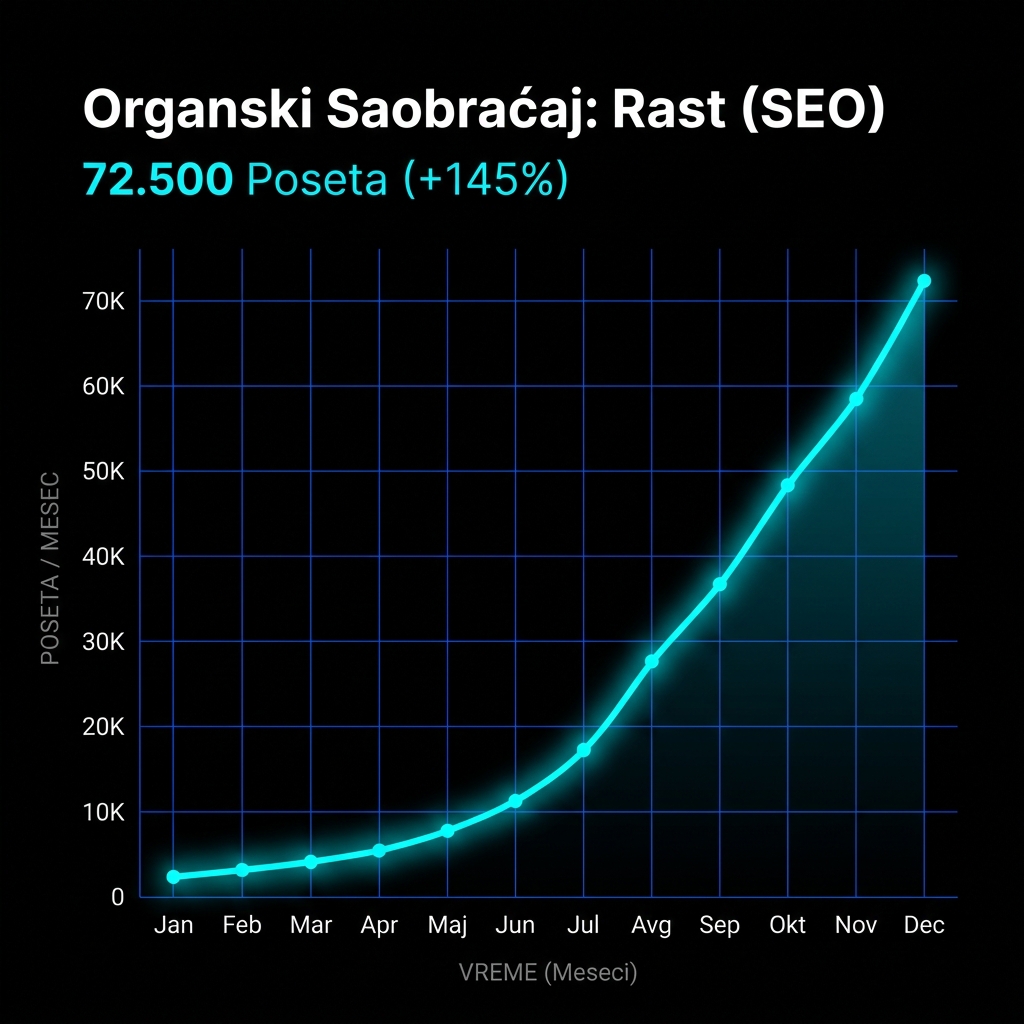
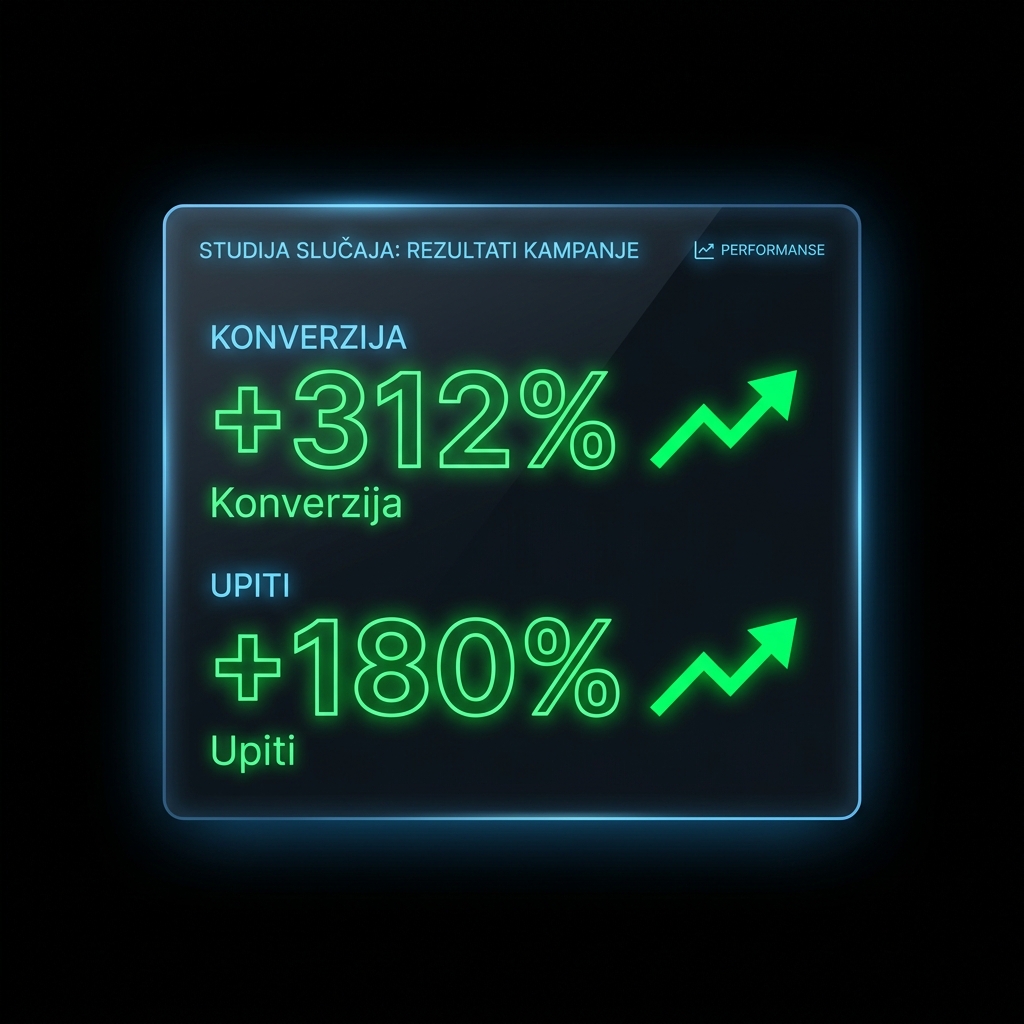
A cheap website that drives clients away due to slow speeds is the most expensive purchase you can make. A premium Next.js custom site is a high-yield asset that sells your business 24/7. In recent years, having built presentational pages and complex LMS platforms, I always notice: clients who choose the cheapest option end up paying twice. Make the smart choice from the start.
Want to know exactly how much a website would cost for your specific business? Request a free expert analysis and proposal in 48 hours.
Request Free Analysis